 If you want “sustainability” to be more than just a buzzword, you need to make data-driven decisions. Certain practices can go beyond helping the environment by also improving profitability and strengthening animal welfare. By focusing on recommendations that are widely supported across science and industry standards, you can ensure your operation runs as smoothly and efficiently as possible. These aren’t abstract ideas — they’re proven, measurable actions you can take to make your operation more systematic, resilient, and ready for the future.
Incorporate these strategies to help drive results for your hog farm.
Reduce Feed Waste
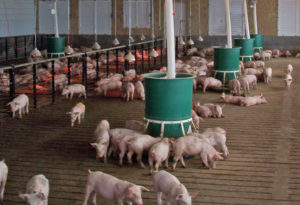
Eliminating waste is good for sustainability and your bottom line. Feed is a huge input cost when raising pigs, so it’s important to ensure you’re actually feeding the animals. Osborne offers a full line of automatic feeders, like Big Wheel Feeders and Electronic Sow Feeders, to do just that. All of Osborne’s feeders are designed for waste reduction and are optimized for animal experience. For example, the Electronic Sow Feeding system automatically feeds sows the right amount of feed according to their gestational stage and Big Wheel Feeders present feed to growing pigs in a round trough, which reduces wasteful feeding competition.
Reduce Water Waste
Water is a precious resource, and just like reducing feed waste, reducing water waste is advantageous for both the planet and your pocketbook. A simple place to start is leakage: Regularly inspect and repair dripping in your water systems. Drinker systems can also be a common culprit for misusing water. Make sure your drinkers are the correct size, height, and flow rate for the pigs using them to maximize efficiency. As with feed, tracking usage can be key to identifying issues, so regularly note your operation’s water consumption to better identify spikes.
Optimize Pig Diets
Reducing crude protein fed to pigs can lessen excess nitrogen found in manure. Since nitrogen increases ammonia and nitrous oxide gas emissions, a reduction in nitrogen is better for the environment. No negative growth or performance metrics were found when pig diets were balanced with feed-grade amino acids and cut back on crude protein, so this practice decreases greenhouse emissions without sacrificing pig health.
Select Top-Performing Genetics
Over the past several decades, advancements in pig genetics have resulted in animals that grow faster, optimize nutrient utilization, and maintain peak health status. Leading genetics companies use a high-tech feeding system to identify superior-performing animals based on feed intake and body growth. FIRE (Feed Intake Recording Equipment) is the most trusted performance testing feeder used by leading genetics companies across the globe. Selecting genetics from suppliers that utilize FIRE’s technology ensures the genetics you use on your farm are fully optimized for best feed conversion.
Learn from Industry Sustainability Progress
The 2025 We Care® Sustainability Report shows 50 years of environmental improvements in U.S. pork production. It highlights the value of data collection, including on-farm carbon footprint tracking, with measurable progress backed by aggregated industry data dashboards. Aggregated data can help you discern trends, learn from best practices and implement strategies that make sense for your operation. Keeping abreast of what other pig farmers across the country are doing may inspire you to start a new initiative or track specific metrics on your farm. Highlights from the report include the following.
- 79% of participating producers use reduced tillage or no-till practices.
- 17% of participating producers plant cover crops to improve soil health, minimize erosion and increase water holding capacity.
- Adoption of nutrient management plans maximizes potential use of swine manure as an effective and sustainable alternative to commercial fertilizers, offering both economic and environmental benefits.
- In the past six decades, sustainability in pork production has improved by using 25% less water.
Want to get involved? Interested producers can sign up through Pork Checkoff to submit data and participate in future We Care® Sustainability Reports. You’ll get a custom report of your practices along with data analysis to identify practices that will help reduce costs.
Embracing sustainability strategies can strengthen your farm’s bottom line and help position your operation to succeed in a changing world. Sustainability in pig production doesn’t happen overnight. It’s the result of steady, informed choices that balance efficiency, profitability, and care for the environment. With the right tools and insights, you can ensure your farm remains resilient and competitive for generations to come.